
Welcome to Europe
Europe’s rich history spans from ancient Greece and Rome to medieval kingdoms, Viking voyages, and the Renaissance, showcasing its diverse cultural heritage. This journey through time includes powerful empires, revolutions, and world-changing wars, all evident in its iconic castles, cathedrals, cities, languages, philosophy, science, and trade. These elements not only reflect European history but also contribute to its status as one of the most sought-after travel destinations, with cultural traditions that have significantly shaped the modern world.

Europe Travel: Explore the Cultural Heritage and History of Europe
Austria’s history stretches from Celtic settlements and Roman frontier towns to centuries of Habsburg rule, when Vienna became a center of empire, music, diplomacy, and European power. After World War I ended the Austro-Hungarian Empire, Austria became a republic, later rebuilding after World War II into the modern democratic nation known for its Alpine landscapes, culture, and historic cities.
History
Explore Pinterest
Kings and Queens
Explore Pinterest
Articles

Welcome to Belgium
Belgium’s history is shaped by Roman frontiers, medieval trade cities, powerful duchies, artistic centers, and centuries of rule by larger European powers before becoming an independent kingdom in 1830. From Flanders’ cloth towns and Gothic squares to Waterloo, World War battlefields, and modern Brussels, Belgium holds a rich legacy of culture, conflict, art, and European identity.
Welcome to Denmark
Denmark’s history stretches from prehistoric settlements and Viking seafarers to the rise of a powerful medieval kingdom that once ruled much of Scandinavia. Over time, Denmark became a constitutional monarchy and modern democracy known for maritime trade, cultural influence, social development, and a strong Nordic identity.
History
Explore Pinterest
Kings and Queens
Explore Pinterest
Articles

Welcome to Finland
Finland’s history was shaped by centuries of Swedish rule, followed by its time as an autonomous grand duchy within the Russian Empire beginning in 1809. Finland declared independence in 1917 and developed into a modern democratic nation known for resilience, education, innovation, and a strong Nordic identity.
History
Explore Pinterest
Kings and Queens
Explore Pinterest
Articles
Welcome to France
France is a land of timeless beauty, where medieval kings, grand châteaux, vineyard valleys, and iconic cities shaped centuries of European history and culture. From Charlemagne’s empire to Paris and the Loire Valley, France offers a rich blend of royal heritage, art, architecture, food, and unforgettable travel experiences.
Adventures
more soon
Explore Pinterst
Kings & Queens
Famous People

Welcome to Germany
Germany’s history developed from ancient Germanic peoples and medieval territories within the Holy Roman Empire to national unification under Prussian leadership in 1871. After dictatorship, two world wars, division, and reunification in 1990, Germany became a democratic nation and one of Europe’s leading economic and cultural powers.
History
Kings and Queens
Explore Pinterest
Articles
More soon
Welcome to Greece
Greece’s history stretches from the ancient Minoan and Mycenaean civilizations through the Classical age, when Greek achievements in democracy, philosophy, art, and science shaped the wider world. After periods of Roman, Byzantine, and Ottoman rule, Greece won independence in the nineteenth century and developed into a modern European nation with a powerful cultural legacy.
History
Kings and Queens
Explore Pinterest
Articles
Welcome to Iceland
Iceland was settled mainly by Norse migrants during the late ninth century and became home to the Alþingi, one of the world’s oldest surviving parliaments, founded around 930. After centuries under Norwegian and Danish rule, Iceland became a sovereign kingdom in 1918 and an independent republic in 1944.
History
Explore Pinterest
Kings and Queens
Explore Pinterest
Articles
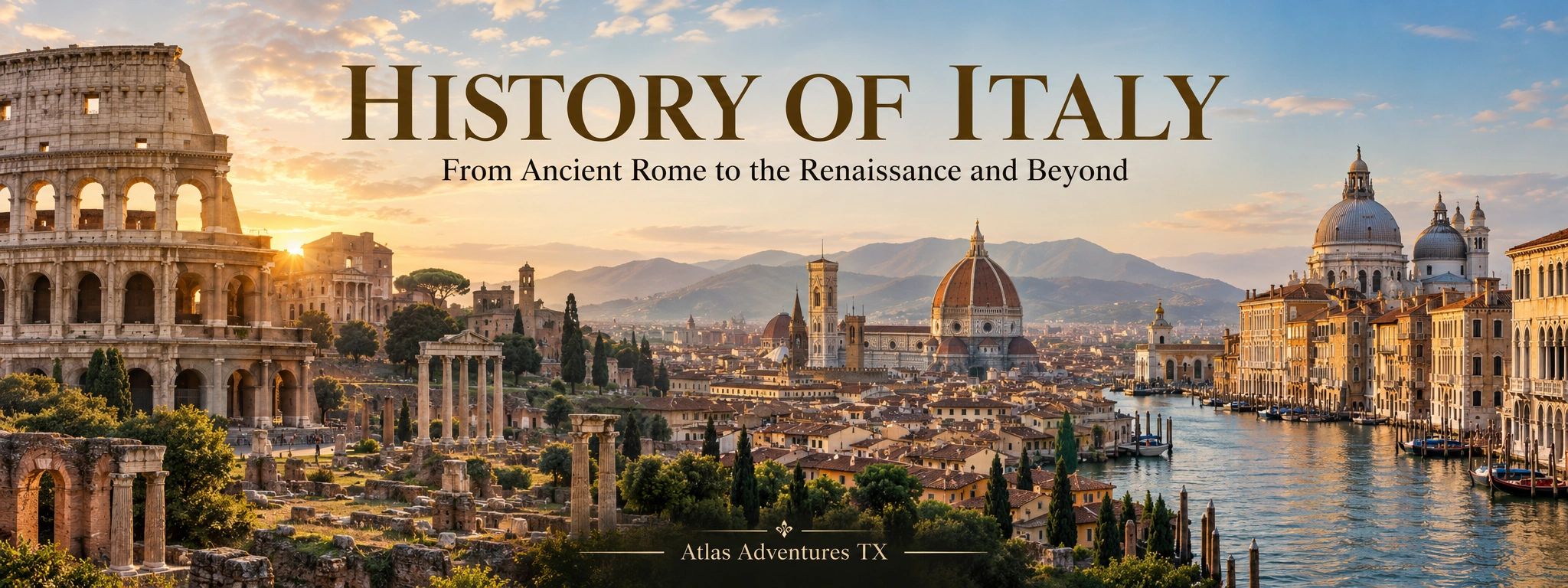
Welcome to Italy
Italy is a country shaped by ancient civilizations, powerful city-states, and the artistic brilliance of the Renaissance. Its historic cities, celebrated cuisine, beautiful landscapes, and enduring cultural influence continue to captivate visitors from around the world.
History
Kings and Queens
Explore Pinterest
Articles

Welcome to Norway
Norway’s history stretches from ancient seafaring communities and the Viking Age to the formation of a unified medieval kingdom shaped by exploration, trade, and Christianity. After centuries of unions with Denmark and Sweden, Norway gained full independence in 1905 and developed into a prosperous modern democracy known for its maritime heritage, natural resources, and strong cultural identity.
History
Kings and Queens
Explore Pinterest
Articles
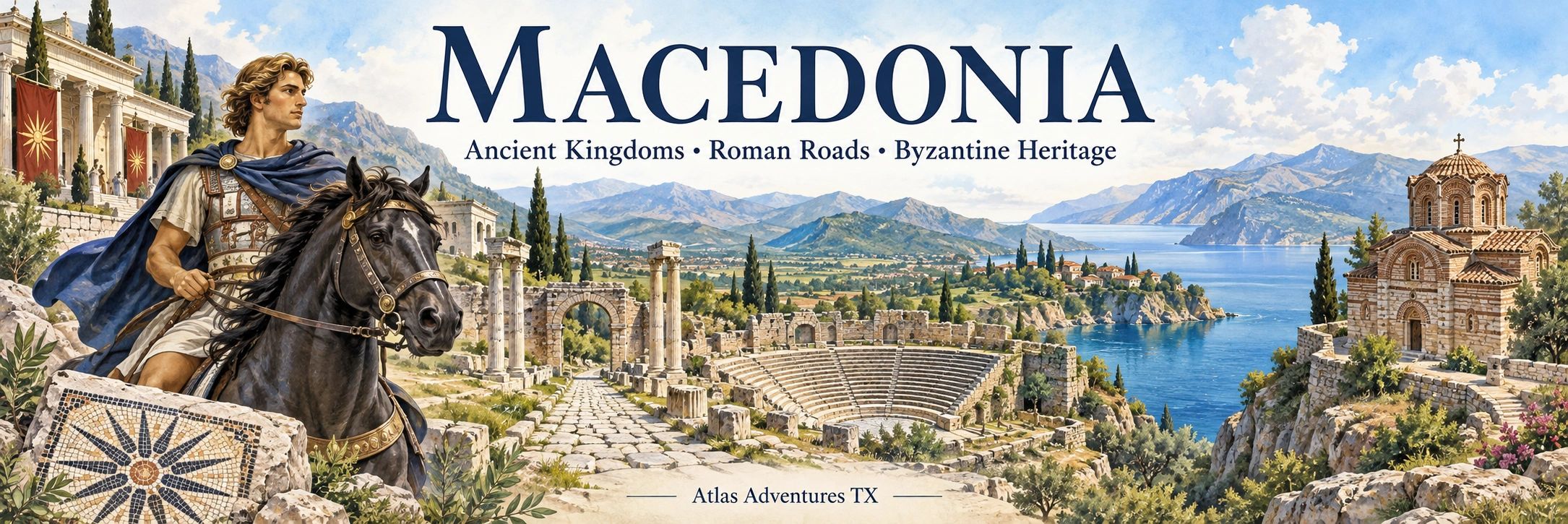
Welcome to Macedonia
Macedonia is a historic region of southeastern Europe known for its rugged mountains, ancient ruins, and rich cultural heritage. The homeland of Philip II and Alexander the Great, it later became a crossroads of Roman, Byzantine, and Ottoman civilizations.
History
Kings and Queens
Explore Pinterest
Articles
Welcome to Romania
Romania’s history grew from the ancient Dacian kingdoms and Roman conquest to the medieval principalities of Wallachia, Moldavia, and Transylvania. After unification in the nineteenth century, independence, monarchy, war, and communist rule, Romania became a democratic republic and joined the European Union.
History
Kings and Queens
Explore Pinterest
Articles
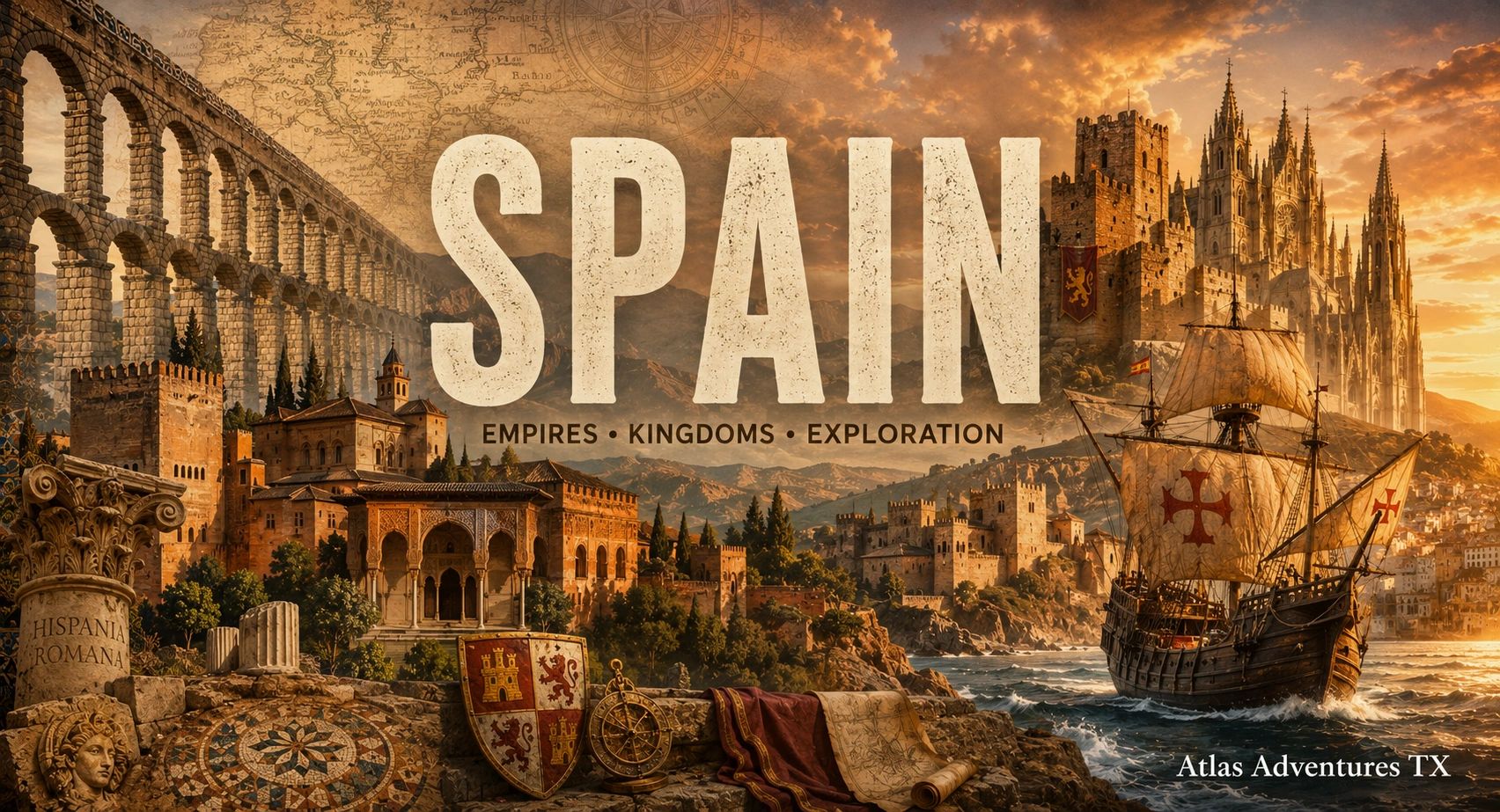
Welcome to Spain
Spain is a country shaped by Roman cities, Islamic kingdoms, medieval monarchies, and a powerful age of exploration. Its magnificent architecture, diverse traditions, beautiful landscapes, and rich cultural heritage reveal thousands of years of history.
History
Kings and Queens
Articles
Welcome to Sweden
Sweden’s history reaches from ancient Scandinavian communities and Viking voyages to the rise of a powerful medieval kingdom and a major European empire during the 1600s. Over time, Sweden became a peaceful constitutional monarchy and modern democracy known for social reform, innovation, industry, and a strong cultural heritage.
History
Kings and Queens
Explore Pinterest
Articles
Welcome to Turkey
Turkey’s history stretches across ancient Anatolia, where Hittites, Greeks, Romans, Byzantines, and Ottomans left their mark on the land. From the ruins of Ephesus to the domes of Istanbul, Turkey stands as a crossroads of empires, cultures, and civilizations.
Royals
Explore Pinterest