
Welcome to Asia
Asia, the world’s largest continent, is a treasure trove of ancient temples, stunning mountain landscapes, island coastlines, vibrant cities, and rich traditions. As you embark on your Asia travel journey, you’ll discover endless stories of Asian adventure, shaped by thousands of years of culture, trade, religion, and discovery, including the vibrant Thailand culture that adds to the region's allure.

Travel in Asia: Your Ultimate Guide
Cambodia’s history stretches from ancient Funan and Chenla kingdoms to the powerful Khmer Empire, whose temples at Angkor remain some of the world’s greatest cultural treasures. Through centuries of change, hardship, and renewal, Cambodia has preserved a rich legacy of art, faith, resilience, and identity.

Welcome to China
China’s history stretches across thousands of years, from early river civilizations and imperial dynasties to periods of unification, division, invention, trade, and cultural growth. After the fall of the Qing dynasty in 1912 and decades of conflict, the People’s Republic of China was established in 1949 and developed into a major global power.
History
Adventures
More Soon
Emperor & Empress
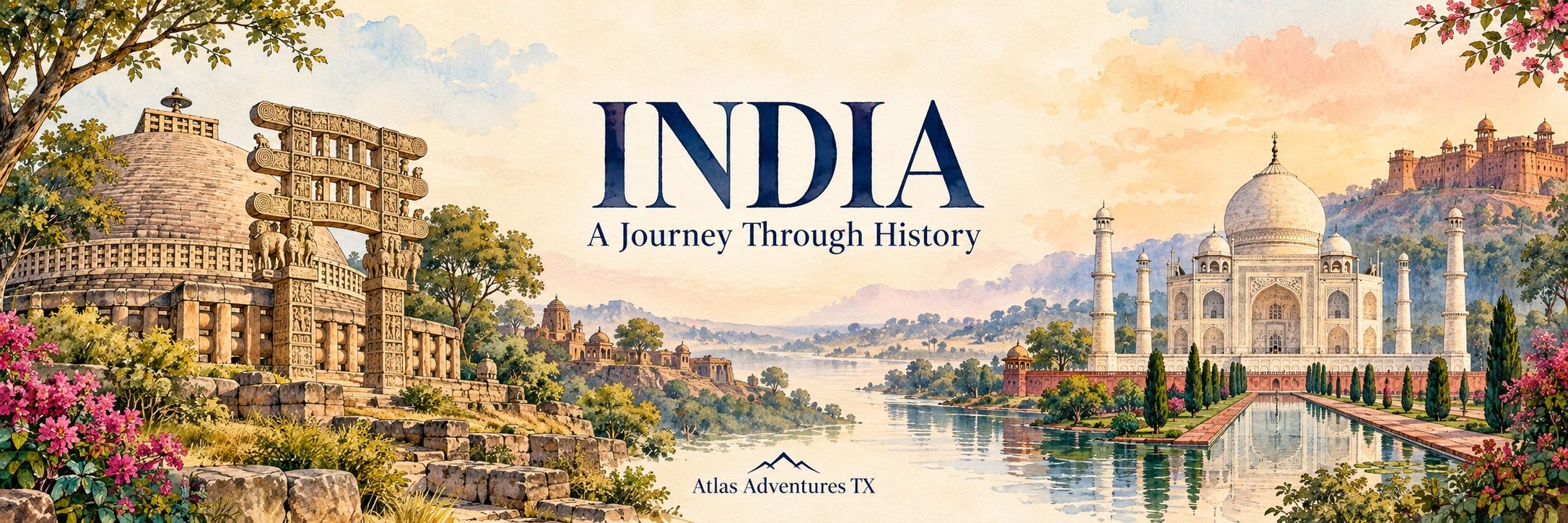
Welcome to India
Explore India’s rich history, from the ancient Indus Valley civilization to powerful empires, vibrant trade routes, and the journey to independence. Discover the monuments, traditions, and people that shaped this diverse country and continue to influence its culture today.
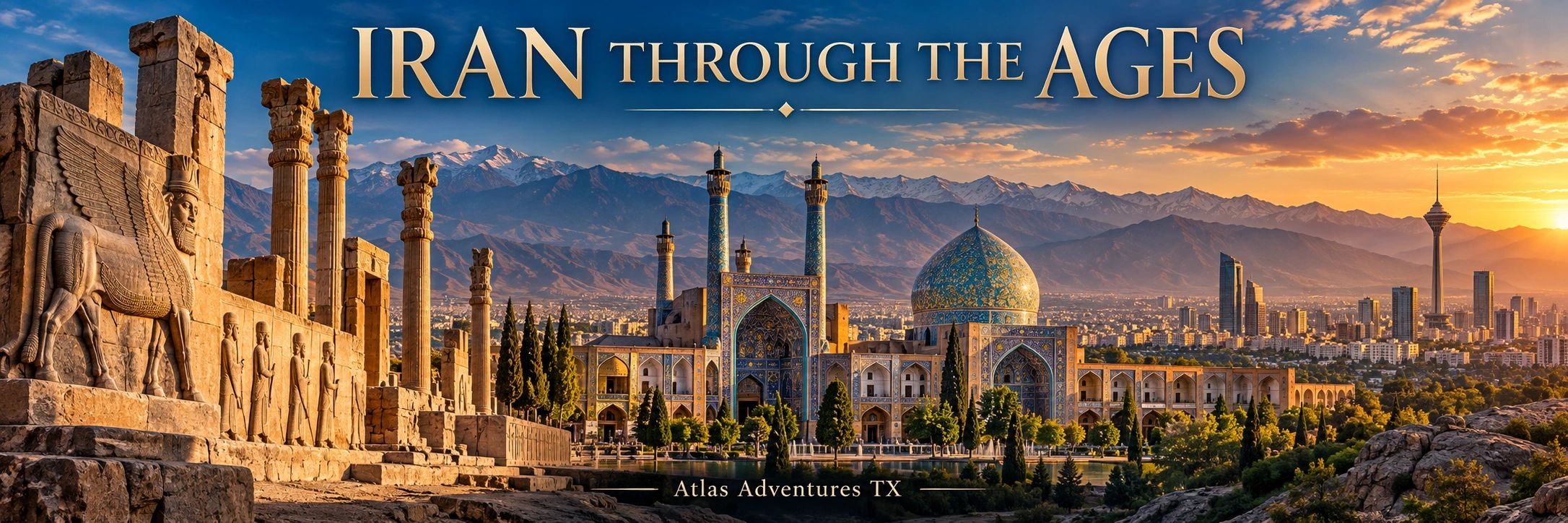
Welcome to Iran
Iran’s history stretches from ancient civilizations and the Persian empires through centuries of Islamic scholarship, art, and architecture. Across changing dynasties and modern upheavals, its languages, traditions, and cultural achievements have shaped a lasting identity.

Welcome to Japan
Japan’s history stretches from ancient clans and imperial courts to samurai rule, Shinto and Buddhist traditions, powerful shogunates, and centuries of artistic and cultural development. From Kyoto’s temples and feudal castles to the Meiji Restoration and modern Japan, its story blends tradition, resilience, innovation, and a deep respect for heritage.
Welcome to Korea
Korea’s history stretches from ancient kingdoms such as Goguryeo, Baekje, and Silla through the cultural achievements of the Goryeo and Joseon dynasties. Despite invasions, colonization, war, and division, the Korean people preserved a strong cultural identity that continues to shape both North and South Korea today.
History
Adventures
Articles

Welcome to Laos
Explore the history of Laos, from the ancient Plain of Jars and the powerful Lan Xang kingdom to colonial rule, revolution, and the modern nation. Discover how the Mekong River, Theravada Buddhism, neighboring kingdoms, and resilient communities shaped Laos’s distinctive culture and identity.

Welcome to the Levant
The Levant has been a crossroads of civilization for thousands of years, where ancient peoples such as the Canaanites, Phoenicians, Israelites, Arameans, Greeks, Romans, Byzantines, and Arabs shaped trade, religion, language, and empire. From coastal ports and desert caravan routes to sacred cities and powerful kingdoms, the region became one of history’s most influential meeting places between Africa, Asia, and Europe.
History
Adventures
More Soon
Articles
Welcome to Malaysia
Malaysia’s history grew from ancient maritime trade routes, where Malay kingdoms, Srivijaya, and later the Malacca Sultanate connected Southeast Asia with India, China, Arabia, and Europe. After centuries of Portuguese, Dutch, and British influence, Malaya gained independence in 1957, and modern Malaysia was formed in 1963.
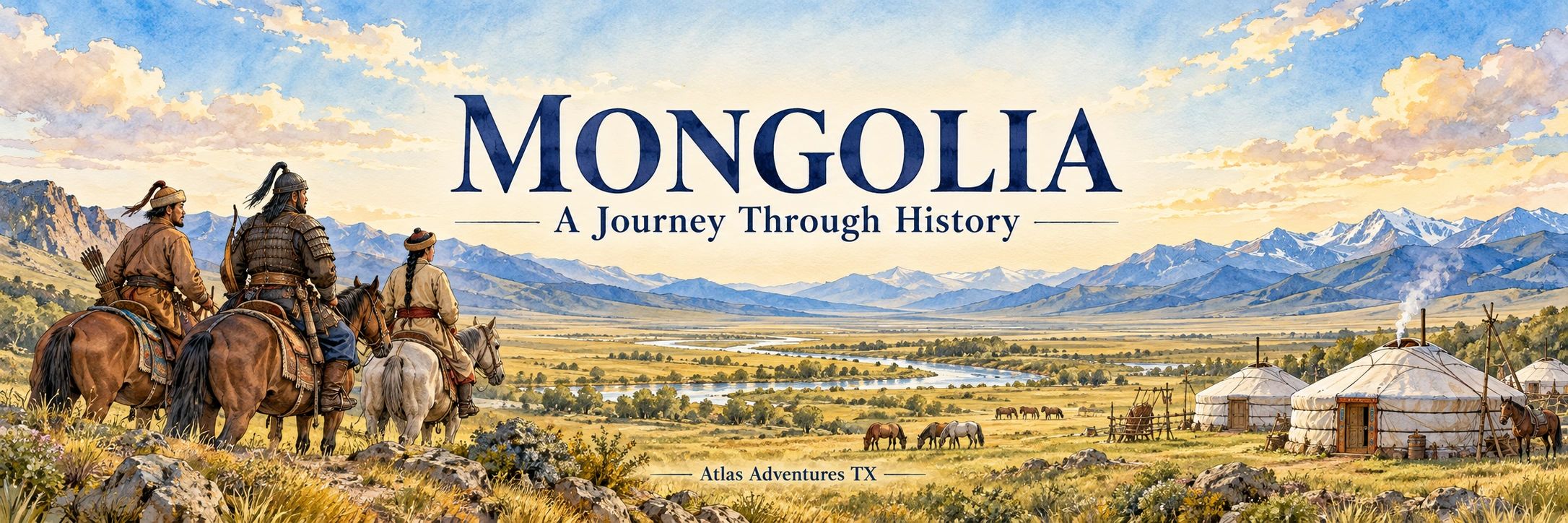
Welcome to Mongolia
Explore Mongolia’s history, from ancient steppe cultures and nomadic traditions to Genghis Khan and the rise of the vast Mongol Empire. Discover how conquest, trade, Buddhism, and the journey to modern independence shaped a nation with a lasting connection to its grasslands and heritage.
Welcome to Philippines
The Philippines’ history began with diverse Indigenous communities, thriving maritime trade networks, and powerful local kingdoms influenced by neighboring Asian cultures. After centuries of Spanish rule, American administration, and wartime occupation, the country gained independence in 1946 and developed into a modern republic with a rich and resilient cultural identity.
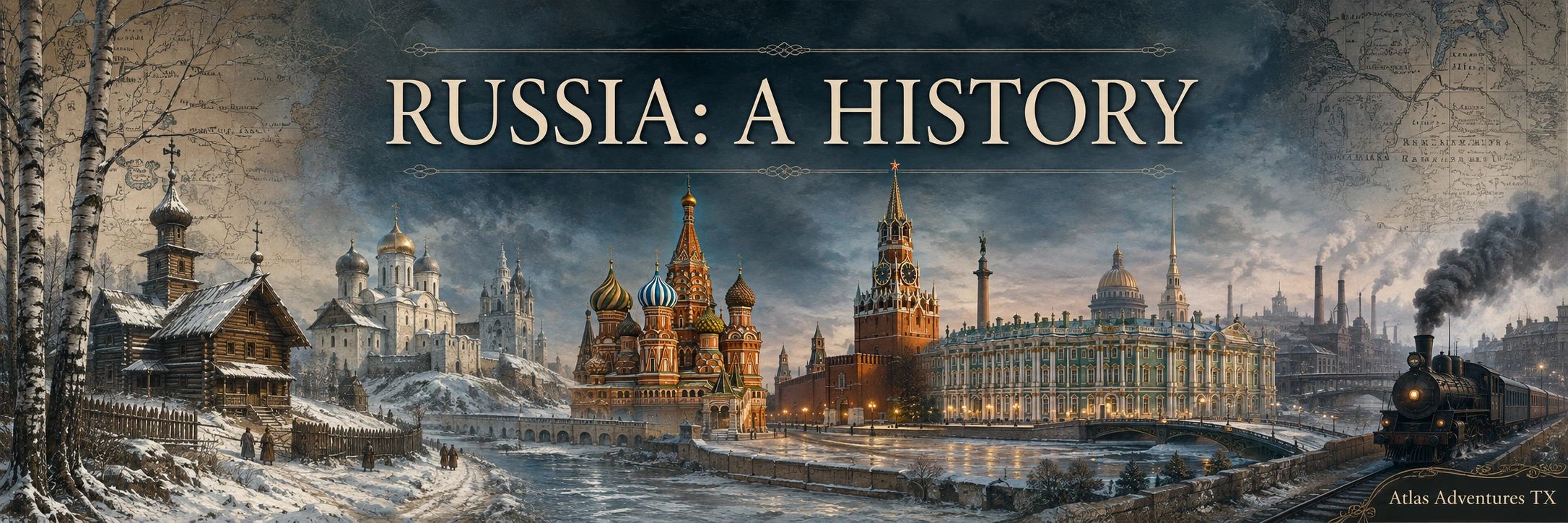
Welcome to Russia
Russia emerged from the medieval East Slavic world of Kyivan Rus, endured Mongol domination, and grew under Moscow’s rulers into a vast tsardom and empire. Revolution ended Romanov rule in 1917, leading to the Soviet era and, after the USSR’s collapse in 1991, the modern Russian Federation.
History
Adventures
Explore Pinterest
More Soon

Welcome to Thailand
Thailand is a country of golden temples, tropical islands, mountain villages, flavorful street food, and rich cultural traditions. From Bangkok’s busy markets to peaceful beaches and ancient ruins, Thailand offers a beautiful mix of history, nature, adventure, and warm hospitality.
Adventures
Explore Pinterest
Articles
Welcome to Vietnam
Vietnam’s history stretches from ancient cultures and early kingdoms through centuries of Chinese rule, independent dynasties, and the growth of a distinct national identity. After French colonial rule, war, division, and reunification in 1975, Vietnam developed into a modern socialist republic with a rapidly changing economy and a strong cultural heritage.
Adventures
More Soon

Welcome to Yemen
Explore Yemen’s history, from the ancient kingdoms of Saba and Himyar and the incense trade to the spread of Islam and the rise of thriving ports and mountain cities. Discover how trade, faith, and distinctive architecture shaped its heritage, from Sana’a’s decorated houses to Shibam’s towering mudbrick buildings.